Choosing the Best Broker for Forex Trading: A Comprehensive Guide
When entering the world of forex trading, one of the most critical decisions you’ll make is choosing the best broker for your needs. The broker you select will have a significant impact on your trading experience, the tools available to you, and ultimately your success in the market. In this guide, we’ll explore essential factors to consider when selecting a broker and provide insights to help you make an informed decision.best broker for forex trading Forex Broker Register
Understanding Forex Trading
Forex, or foreign exchange, is the global marketplace for trading national currencies against one another. It is one of the largest and most liquid trading markets in the world, with an average daily trading volume exceeding $6 trillion. For traders, the potential to profit from changes in currency values is enticing, but it also comes with risks. Therefore, selecting a reliable and efficient broker is paramount.
Key Factors to Consider When Choosing a Forex Broker
Here are some important aspects to evaluate when deciding on a forex broker:
1. Regulation and Trustworthiness
Regulation is arguably the most crucial factor when choosing a forex broker. A regulated broker operates under the oversight of an official financial authority, which helps ensure that the broker adheres to strict standards that protect traders’ interests. Look for brokers regulated by reputable authorities such as the Financial Conduct Authority (FCA) in the UK, the Commodity Futures Trading Commission (CFTC) and the National Futures Association (NFA) in the US, or the Australian Securities and Investments Commission (ASIC).
2. Trading Platform
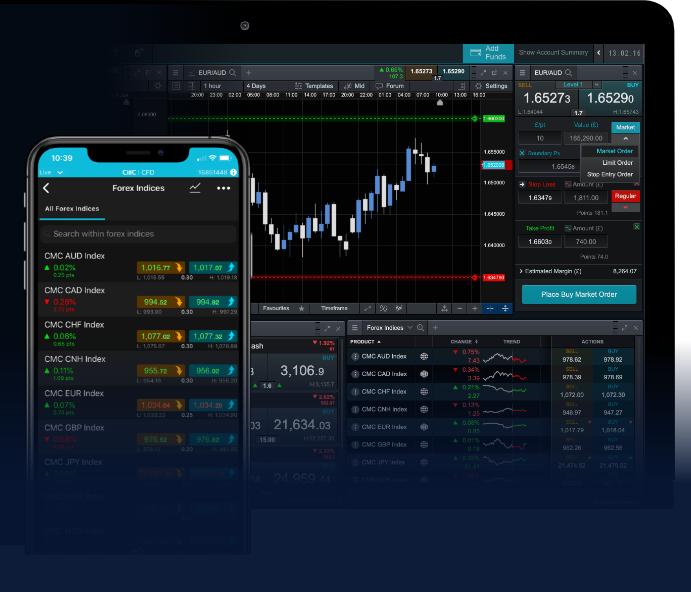
The trading platform is the software through which you manage your trading account, execute trades, and analyze the market. A user-friendly and reliable platform can significantly enhance your trading experience. Popular platforms such as MetaTrader 4 (MT4) and MetaTrader 5 (MT5) offer extensive tools for technical analysis and allow traders to automate their trading strategies through Expert Advisors (EAs).

3. Spreads and Fees
Spreads, which are the differences between the bid and ask price, directly impact trading costs. Different brokers offer different types of spreads—fixed and variable. While fixed spreads remain constant regardless of market conditions, variable spreads can change based on market volatility. Additionally, check for any hidden fees, such as withdrawal fees, overnight fees (swap rates), or inactivity fees.
4. Leverage and Margin
Leverage allows traders to control a larger position than their initial investment, which can amplify both profits and losses. Brokers typically offer different levels of leverage, ranging from 1:50 to as high as 1:500 or more. While higher leverage can provide greater profit potential, it also increases risk. Traders should choose a leverage level that matches their risk tolerance and trading strategy.
5. Customer Support
A responsive and knowledgeable customer support team can make a significant difference, especially for new traders who may have questions or run into issues. Look for brokers that offer multiple channels of support—such as live chat, email, and phone support. Additionally, check their availability; 24/5 customer service is ideal for forex trading.
6. Account Types
Different traders have different needs, and a good broker should offer a range of account types suitable for various trading styles and experience levels. Whether you’re a beginner looking for a simple account with low minimum deposits or an experienced trader requiring advanced features and higher leverage, having options is important.
7. Educational Resources
It’s essential for traders, especially beginners, to have access to educational resources. Many brokers offer webinars, video tutorials, articles, and demo accounts that help traders build their skills and knowledge. Access to trading tools such as economic calendars and market analysis can also be beneficial.
8. Research and Analysis Tools
Research tools help traders make informed strategic decisions. Look for features such as market analysis, economic news updates, and advanced charting tools. Some brokers offer integrated news feeds and analytical resources provided by professional analysts, which can enhance your trading decisions.
Popular Forex Brokers
While the choice of a broker ultimately depends on individual requirements and preferences, here are a few popular forex brokers that are often recommended:
- IG Group: Known for excellent trading platforms and comprehensive educational resources.
- OANDA: Offers a user-friendly platform and is well-regulated across multiple jurisdictions.
- FXCM: Provides an array of trading tools and resources, appealing to both beginners and advanced traders.
- eToro: Offers a social trading platform where users can copy trades from successful traders.
- Admiral Markets: Known for low spreads and robust trading platforms.
Conclusion
In conclusion, choosing the best forex broker requires careful consideration of several factors, including regulation, trading platforms, fees, customer support, and the educational resources available. Take the time to research and compare various brokers, and consider opening demo accounts to test different platforms before committing real funds. A trusted broker can significantly enhance your trading experience and help you work towards your financial goals.
Always remember that successful trading requires both a solid broker and an effective trading strategy. Equip yourself with the right tools and knowledge, and you’ll be well on your way to becoming a competent forex trader.